Water in Your House? Start Here
Act now. Stop the source first. Then get a local provider on the job.
Exclusivelysusan Restoration is a referral service. We connect homeowners in Flint, MI with independent water damage restoration providers. We do not do the work. The provider does.
Here is why speed matters. Wet drywall, wood and carpet start to break down fast. Mold can begin in a day or two when rooms stay damp and warm. A burst pipe, a failed sump pump and a hail-driven roof leak all work the same way. The longer water sits, the further it spreads.
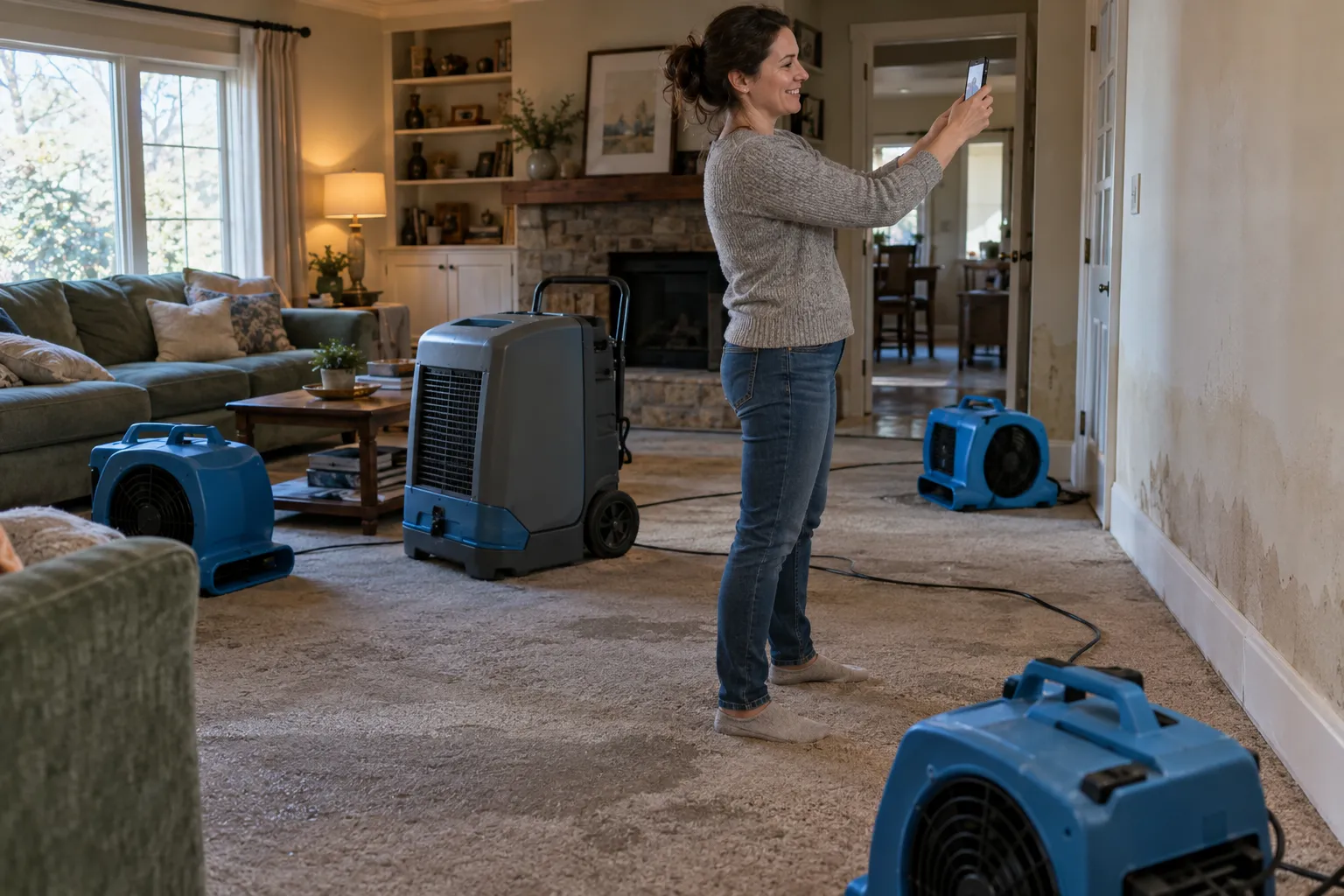
So keep it simple. Shut off the water or the power if it is safe. Take a few photos. Then reach out.
Request a callback to check provider availability in the Greater Flint area. Many providers can respond quickly, but hours vary by provider.
Request Service
Would you rather write it down? Use the form and request an estimate. There is no obligation.
How It Works
The short version
You tell us what happened. We connect you with a local provider. The provider looks at the damage and gives you an estimate. You decide what to do next.
What we are, and what we are not
Exclusivelysusan Restoration is a referral service. We are not a restoration company. We do not do the work ourselves. The providers in our network are independent, local businesses. They set their own prices, schedules and methods.
That matters for you. Ask the provider about licensing, insurance and written quotes. Those details come from the provider, not from us.
What a provider usually does
A typical job has three parts:
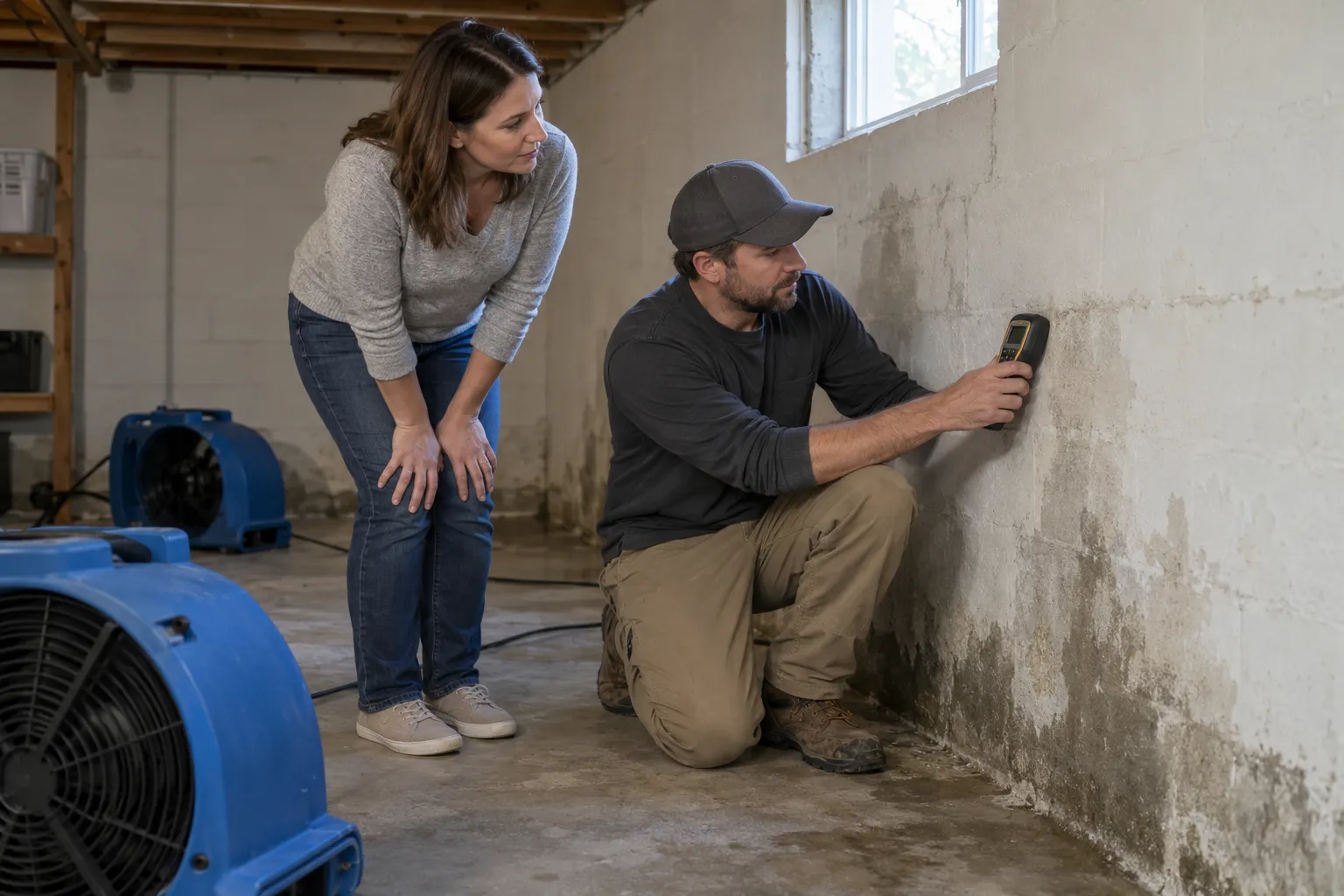
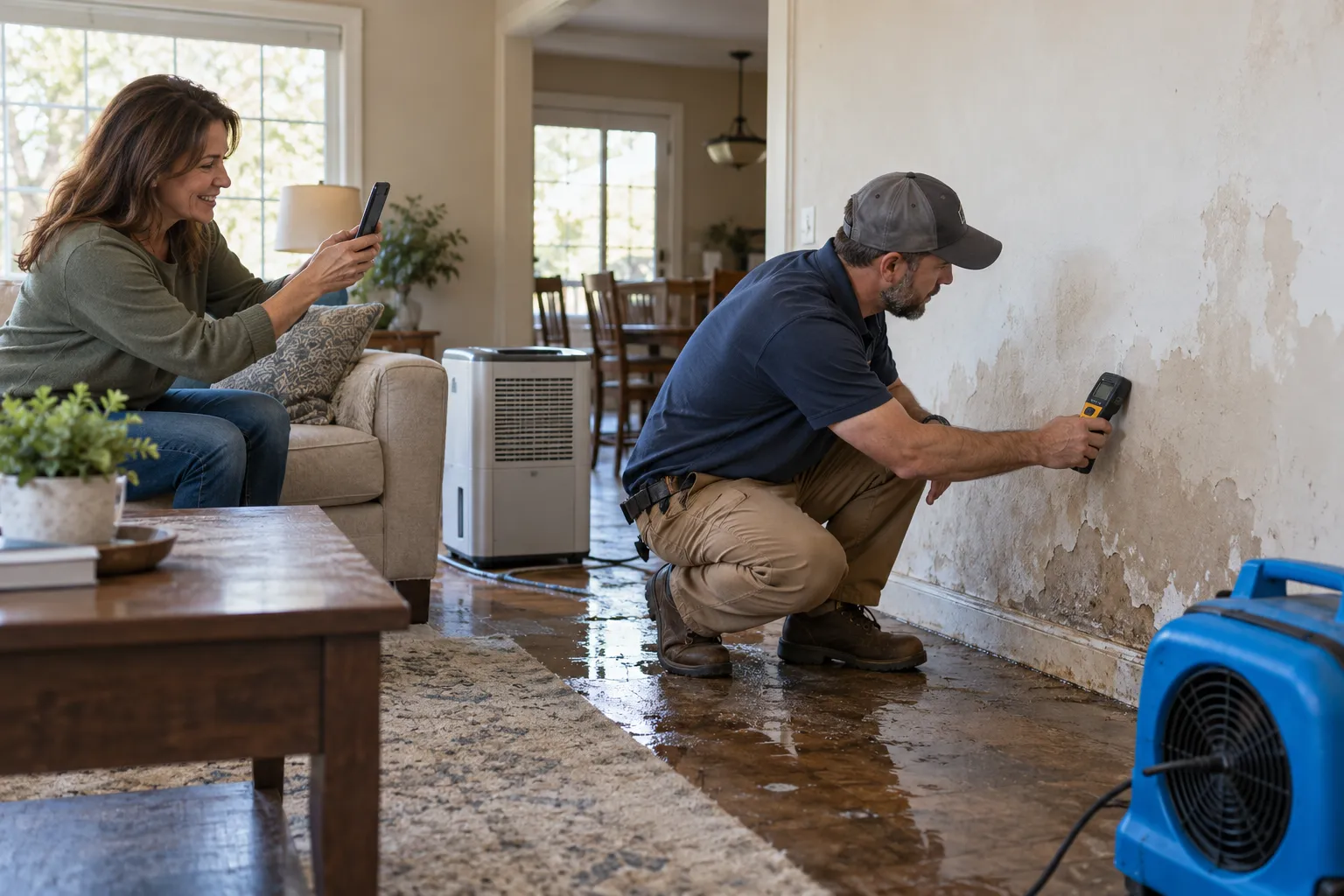
- Find the water. The provider locates the source and the wet areas, often with moisture meters.
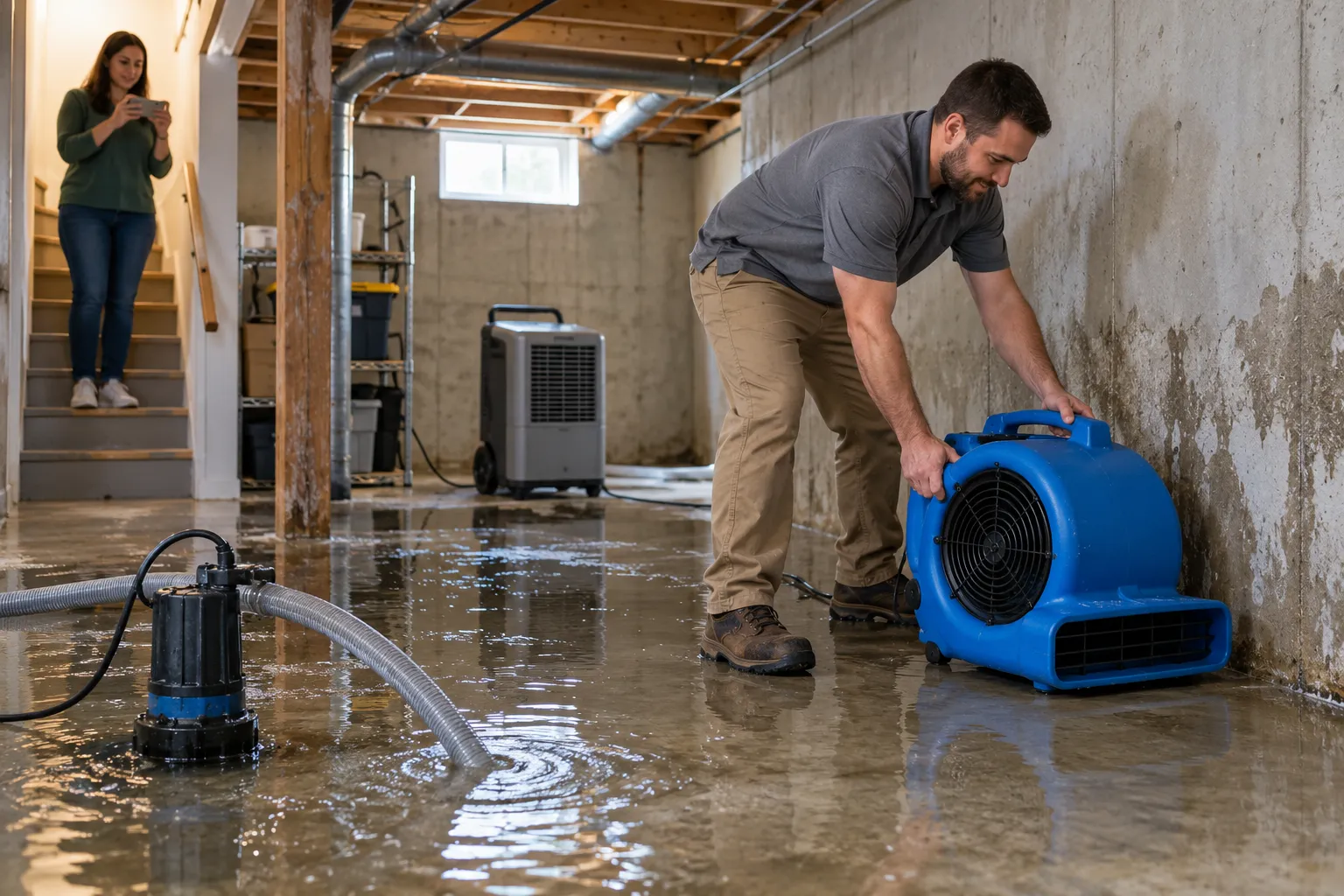
- Remove it. Pumps and extractors pull out standing water.
- Dry it. Fans and dehumidifiers dry the structure, then the provider checks the readings.
Some jobs also need cleanup, removal of soaked materials and repairs. Your provider will explain which steps your home needs.
What you can do first
Make the scene safe. Stay out of standing water near outlets. Take photos of everything before anything moves. Write down what you see and when it started. Those notes make the estimate faster and clearer.
Serving Flint and Beyond
Exclusivelysusan Restoration covers Flint and the Greater Flint area. That includes older neighborhoods, newer subdivisions and the homes in between.
The homes here share a few traits. Many have full basements with sump pumps. Many are frame houses that have stood for decades. Bungalows and ranch homes are common. Each type fails in its own way. A bungalow basement floods from below. A ranch house slab can wick moisture into flooring. An older frame house hides leaks inside walls.
Providers in our network know these homes. They also know the local weather. Spring melt, summer thunderstorms and hail all send water into houses here.
Not sure which service you need? That is fine. Describe what you see. Add a few photos if you have them.
Request Service
A provider will review your request and tell you what they suggest. You are under no obligation to hire anyone.
Know Your Season, Know Your Risk
Spring: melt and flood
Spring is basement season. Snow melts. The ground is still hard below the surface, so water has nowhere to go. It pushes against foundation walls and finds cracks. Test your sump pump before the thaw. Pour in a bucket of water and watch it run.
Summer: storms and humidity
Severe thunderstorms bring hard rain and hail. Hail dents roofs. Dents become leaks. Heavy rain can also overwhelm a sump pump or back up a floor drain. Then the heat and humidity arrive. Damp materials grow mold fast in warm, humid air. Dry things out quickly.
Fall: get ready
Fall is the calm before winter. Clean gutters. Point downspouts away from the house. Check basement walls for new cracks. Note where the sump discharge line ends. Small fixes now prevent big jobs later.
Winter: deep frost and burst pipes
Deep frost reaches far into the ground here. Pipes in outside walls, crawl spaces and unheated garages can crack. The leak often shows up when things warm up. If you leave town, keep the heat on. Know where your main shutoff is.
Older homes need extra care
A house with decades behind it has more places to hide water. Old supply lines. Worn seals. Cast iron drains. Check under sinks and around the water heater once a season.
Paperwork-ready: build a record
Photos first. Take wide shots, then close-ups. Capture the water line on the wall. Write down the date, the time you noticed, and what you did. Keep receipts for anything you buy or rent. Do not toss damaged items until you have photographed them.
Talking with your insurer
Some policies may cover sudden damage. Others do not. Check your policy and ask your insurer directly. Providers can often help document damage for a claim. Good records make that conversation easier.
Before you hire
Get a written quote. Ask what is included. Ask how drying will be checked. Compare more than one estimate if you can.
Ready When You Are
Ask for help while the damage is small. Share what happened, and add photos if you can.
Request a callback to check provider availability. Hours vary by provider.
Request Service
Or send a request through the form. A local provider will follow up with the next steps. No obligation.